
Pessary Vaginal Device
Pessary
A prolapse occurs when surrounding organs or structures push into your vaginal canal, often causing urinary problems, bowel symptoms, and sexual dysfunction, among other issues. If you’re struggling with a prolapse, Urogynecology of Kansas City, offers innovative treatment solutions. Find out more by booking a prolapse evaluation today.
What is a Pessary?
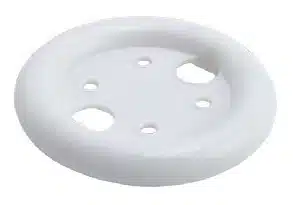
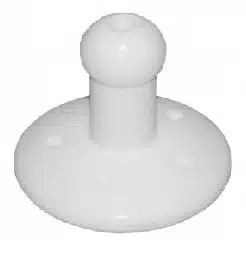
A pessary is a prescribed removable device composed of soft medical grade silicone which is fit specifically for your anatomy. There are many different shapes and sizes available but the two most commonly used are the ‘Ring with Support’ and ‘Gelhorn’.
Why are pessaries used?
How is a pessary fitting performed?
A pessary fitting is performed in the office. We will first decide the type of pessary to use, which is based on a conversation with you and the indication for pessary use. A ring pessary is easier to remove and tends to work better for smaller prolapse. A Gelhorn pessary is more difficult to remove but tends to work for larger prolapse.
Next, an exam will be performed to estimate the vaginal caliber. A sizing pessary will then be placed and you will have a chance to provide feedback (e.g. comfort, bladder function, etc). We will also ensure the pessary remains in place. Assuming (a) the pessary is comfortable and (b) it remains in place with walking, bending and movement, the fitting will be considered complete. If you plan to manage the pessary you will be taught how to remove and clean it prior to leaving the office.
How are pessaries managed?
If you cannot or do not want to manage the pessary, you will be asked to follow up in our office every 3 months to clean the pessary and ensure the tissue is healthy. This is critical as complications are rare, provided appropriate follow-up occurs.
If, on the other hand, you are able to remove the pessary, you can follow up on a yearly basis or as needed. Once removed, you simply clean it with warm soap and water. Harsh chemicals or detergents are not recommended. You can remove the pessary as frequently as every night or every several weeks. Removal on a regular basis decreases the risk of common side effects, including vaginal discharge, odor, and erosion.
What are the risks associated with pessary use?
What else should I know about pessaries?
You can leave the pessary in place during intercourse if it is comfortable.


Contact Us
Our Locations
Main Office
10707 West 87th Street Overland Park, KS 66214
Phone: (913) 262-3000 | Fax: (913) 262-3002
Satellite Office
19550 East 39th Street, Suite 325, Independence, MO 64057
Phone: (913) 262-3000 | Fax: (913) 262-3002
Office Hours